Chemical Name: Polyethylene Wax (CAS No.: 9002-88-4)
Molecular Formula: (C₂H₄)ₙ
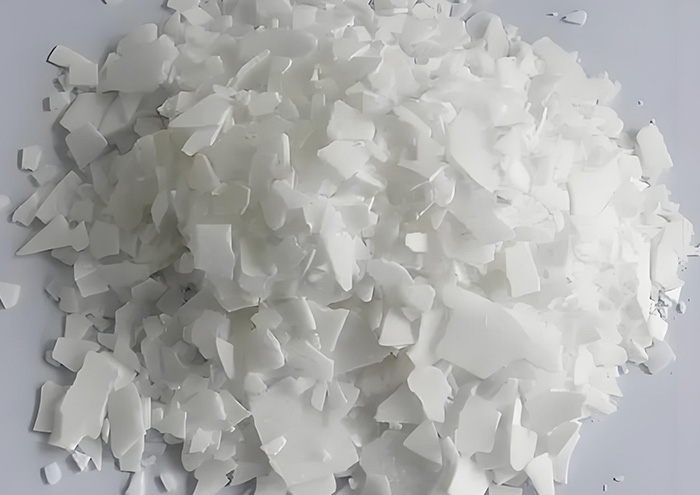
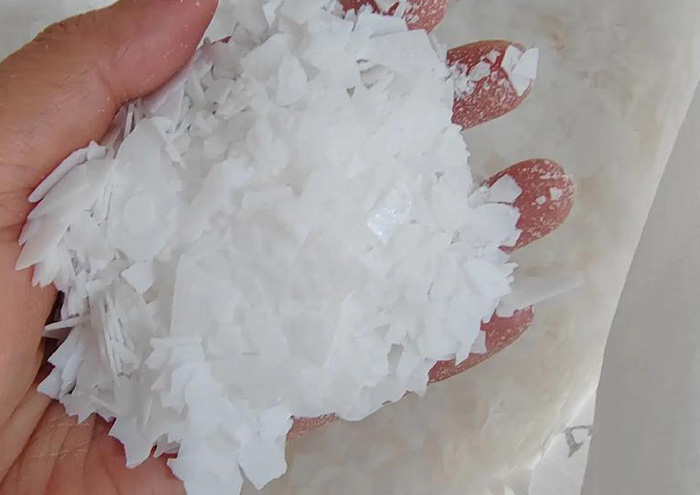
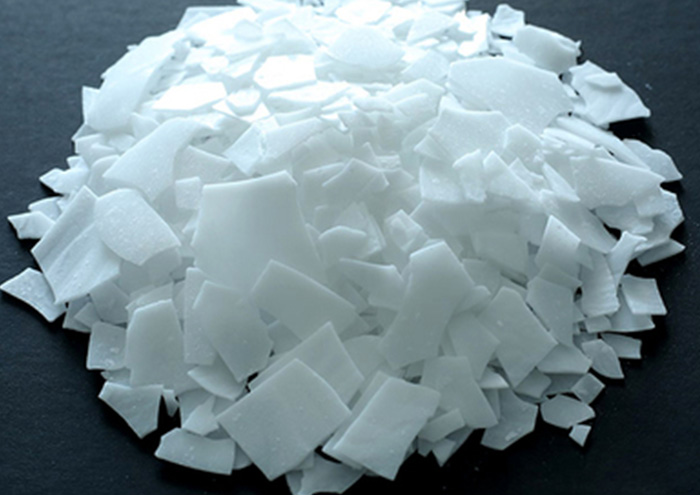
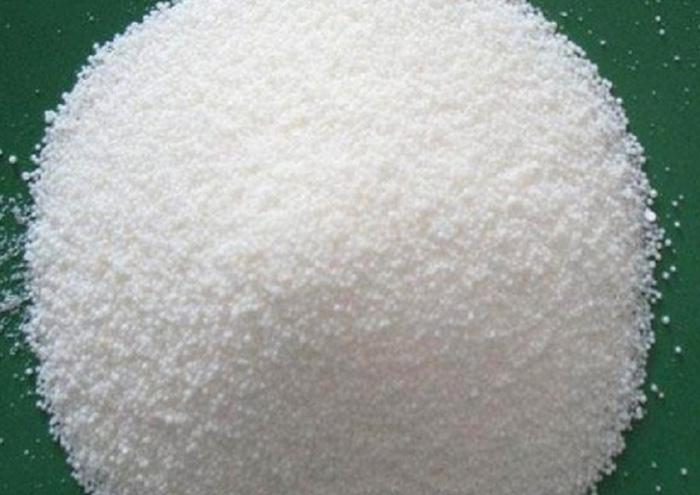
Appearance: White fine powder or flakes
PE Wax is a synthetic hydrocarbon wax widely used as a lubricant, dispersant, and release agent in plastics processing. It reduces friction during extrusion and injection molding while improving surface finish and pigment dispersion.
Excellent Lubricity – Lowers melt viscosity and energy consumption
Thermal Stability – Withstands processing temperatures up to 300°C
Regulatory Compliance – FDA, EU 10/2011 (food contact), RoHS, REACH
Multi-Functional – Acts as internal & external lubricant
|
Parameter |
Specification |
Test Method |
|
Molecular Weight |
1,000–5,000 g/mol |
GPC |
|
Melting Point |
100–120°C |
DSC |
|
Drop Melting Point |
105–115°C |
ASTM D3954 |
|
Viscosity (140°C) |
100–500 mPa·s |
Brookfield |
|
Acid Value |
≤5 mg KOH/g |
ISO 2114 |
|
Particle Size (D50) |
5–50 μm (adjustable) |
Laser Diffraction |
General-purpose lubrication
Enhanced polarity for PVC & polar resins
Superior dispersion (D50 <10 μm)

Pipes & Profiles: Reduces die buildup (0.2–0.8 phr)
Cables: Improves extrusion speed (0.3–1.0 phr)
Films/Sheets: Enhances gloss and anti-blocking properties

Injection Molding: Prevents sticking to molds (0.1–0.5%)
Masterbatches: Disperses pigments/fillers (1–3%)

ABS/PC Alloys: Flow promoter for thin-wall parts
Nylon (PA): Reduces friction in fiber spinning

Tire Compounds: Improves mold release
Powder Coatings: Anti-settling agent
Higher Purity – Low oligomer content (<3%) for minimal odor
Custom Solutions – Tailored melting points/viscosities for your resin
Global Compliance – REACH registered, Halal/Kosher options
Technical Support – Free formulation optimization

- Energy Reduction: Lowers extrusion torque by 15–25%
- Less Additive Needed: 20–30% lower dosage vs. paraffin wax
- Packaging: 25 kg bags / 500 kg pallets
- Documents: COA, MSDS, FDA/REACH certificates